
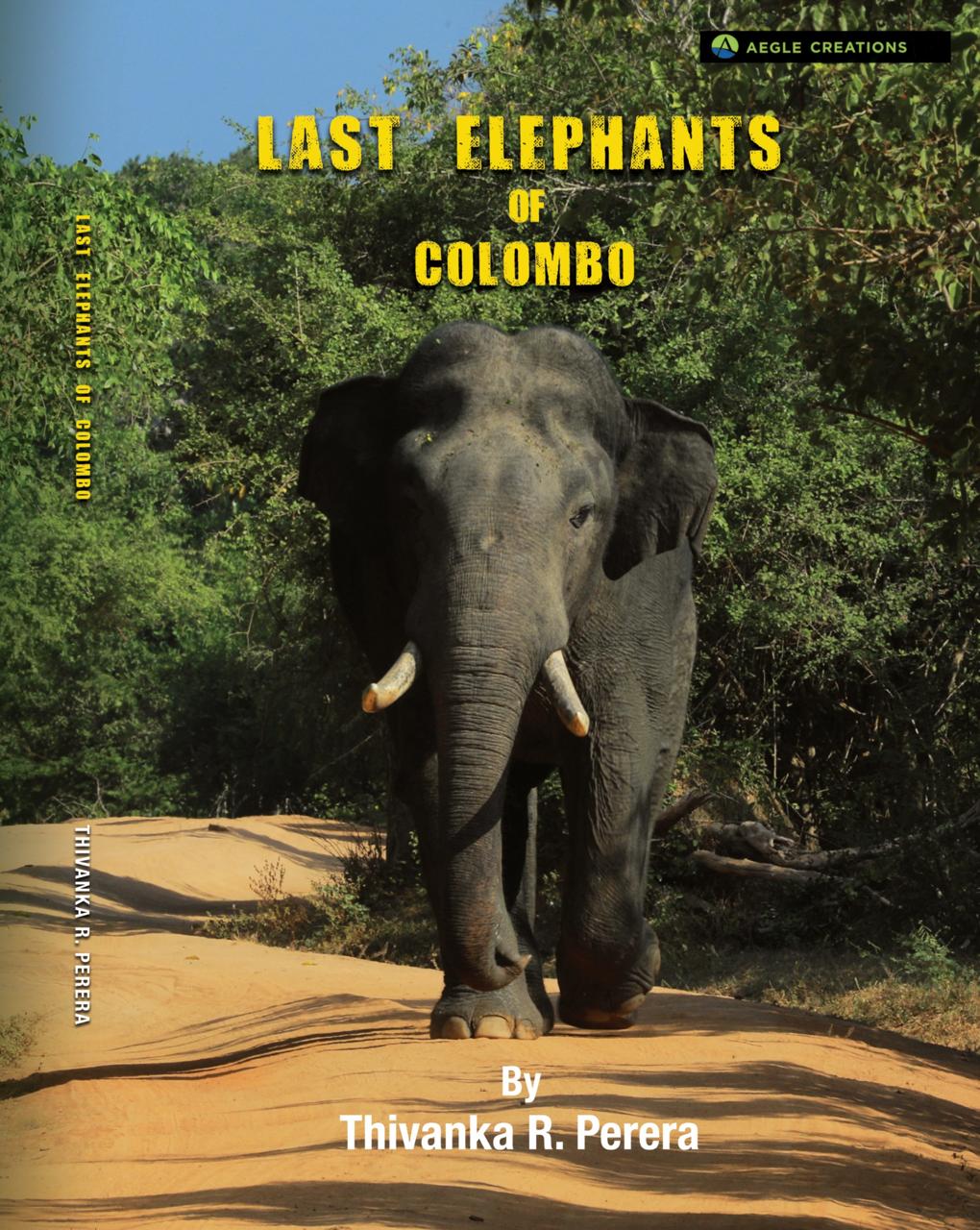
Today, as traffic crawls through Colombo’s concrete sprawl, it’s hard to imagine that giants once walked these same streets. For most of us, wild elephants belong to distant national parks, far from the city. But Colombo’s past tells a very different story.
For over 2,000 years, Sri Lankans lived alongside elephants—taming them, revering them, and weaving them into the very fabric of society. Ancient kings used elephants as symbols of power, engines of war, and tools of statecraft. As 17th-century observer Robert Knox recorded, they were even used as executioners.
Everything changed with the arrival of European powers. To the Portuguese and later the Dutch, the Sri Lankan elephant was a valuable commodity. A global trade emerged, and capture became industrialized. Traditional Sinhalese methods gave way to massive kraals: huge stockades designed to trap entire herds. Today, the locations of these kraals are the only clues we have to where elephants once roamed within and around Colombo.
While researching “The Last Elephants of Colombo,” we uncovered astonishing records—like the 1751 account of a wild tusker storming the Colombo Fort, causing chaos before escaping into the Indian Ocean near today’s Galle Face. Where did he come from? How could a wild elephant be so close to the heart of colonial power?
By re-examining old maps and forgotten records, this book uncovers the true location of Colombo’s last elephant kraal—and with it, the final footprint of a lost population. This is not just a story about elephants. It’s about how a city transformed, and what was sacrificed along the way.
If you’ve ever wondered what Colombo was before the concrete, “The Last Elephants of Colombo” reveals the answers. Discover the history beneath your feet—and why it still matters today.